

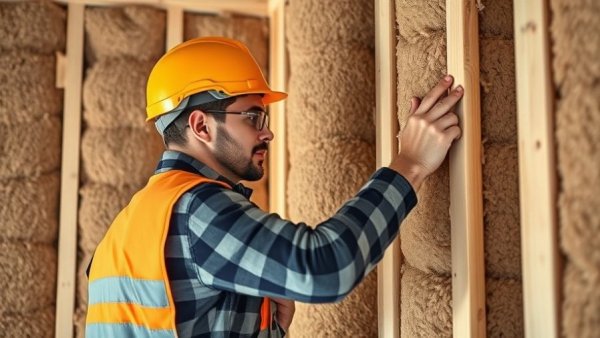
Understanding the Critical Role of Wall Cavities
The construction industry has increasingly recognized the importance of wall cavities not just for structural integrity but for enhancing indoor air quality and sound insulation. As headlines cite the correlation between building materials and occupants’ health, the spotlight turns to the often-overlooked spaces in a wall. These cavities can significantly influence not only how buildings maintain thermal energy but also how effectively they filter airborne pollutants, thereby ensuring a healthier indoor environment.
Indoor Air Quality: A Surging Concern
In recent years, the significance of indoor air quality (IAQ) has garnered attention, especially given the judgment that American households spend up to 90% of their time indoors. As highlighted by the EPA, typical indoor air can be up to five times more polluted than outdoor air. Thus, the materials used within wall cavities—insulation, drywall, and coatings—play a vital role in determining the levels of contaminants inhabitants may be exposed to. Effective insulation strategies no longer merely aim for energy efficiency; they are integral components of a responsible approach to indoor air integrity.
The Overlooked Health Risks
Building materials can release harmful volatile organic compounds (VOCs), mold spores, and other pollutants, primarily through insulation and paint choices. Reference material from TimberHP notes that traditional insulation materials can be a source of these pollutants, while suitable alternatives such as wood fiber insulation may reduce health risks associated with indoor air quality. The decision to use low-VOC paints and moisture-resistant insulation directly contributes to diminishing airborne toxins, thereby safeguarding health in living environments.
Designing for Ventilation: A Future Imperative
A significant design consideration emerging in modern construction is the integration of enhanced mechanical ventilation systems. These systems allow for the controlled intake of outdoor air, aligning with findings by the EPA that emphasize improved ventilation as a key strategy for enhancing IAQ. Wall cavities outfitted with ventilation systems become conduits for fresh air, filtering out contaminants while regulating indoor humidity levels to prevent mold growth.
Cost-Effective Strategies for Homeowners
For homeowners eager to improve IAQ, strategic upgrades can yield impressive returns. Enhancing existing insulation with moisture-resistant alternatives and ensuring adequate airflow can mitigate issues caused by trapped humidity. Additionally, installing or upgrading ventilation systems should be a priority, as this can increase not just air quality but also energy efficiency in the home. Practical measures, such as regular maintenance of heating and cooling systems and the installation of high-efficiency particulate air (HEPA) filters, can foster cleaner air overall.
Conclusion: Embracing Change in Home Construction
As the building industry evolves, understanding the intricacies of wall cavities and their impact on indoor air quality should be at the forefront of design considerations. By making educated material choices and incorporating modern ventilation strategies, homeowners can enhance the safety and comfort of their living spaces. If you're planning a renovation or building project, consider these elements as essential investments for a healthier indoor environment.




Write A Comment