

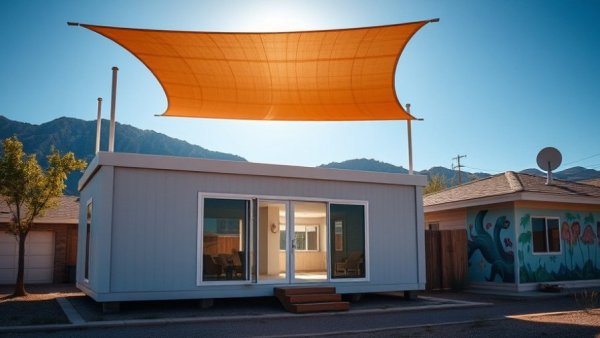
Harnessing Natural Light: The Future of Modular Construction
As urban spaces continue to evolve, a significant shift towards modular construction has emerged, with daylighting design becoming an integral part of this transformation. The construction of a new modular learning center at Canalino Elementary in Carpinteria, California exemplifies how these methods can harness natural light for enhanced learning environments. Completed in late 2024, this facility was designed to promote student collaboration while minimizing reliance on electric lighting, which aligns seamlessly with environmental sustainability goals.
Daylighting Benefits: More Than Just Aesthetic Appeal
The advantages of incorporating daylighting go beyond mere aesthetics. Numerous studies have demonstrated that access to natural light can enhance overall performance in educational settings. According to research highlighted in discussions around daylighting strategies, improved lighting has been linked to better test scores among students and faster recovery rates for hospital patients. In markets where productivity is key, daylighting solutions can reduce electricity costs significantly, thereby positively affecting a building's operational expenses.
The Technical Needs of Modular Design: Balancing Form and Function
One notable challenge in modular construction is the inherent restrictions posed by factory-built designs. In the case of the Carpinteria learning center, the project team had to modify the typical classroom design to ensure optimal illumination without compromising the structural integrity of the building. By integrating 24 SolatubeSolaMaster® 750 DS tubular daylighting devices, they could effectively balance natural light penetration with thermal comfort and aesthetic consistency. This decision plays a crucial role in fostering an inviting and productive atmosphere for students.
Future Design Considerations: The Case for Early Planning
To maximize the benefits of daylighting, planning must commence in the early stages of the design process. Richard Braunstein from Oldcastle BuildingEnvelope emphasizes the necessity of collaborative discussions among architects, engineers, and building owners. By aligning objectives from the outset—covering aspects like building orientation and geometry—teams can better meet thermal performance goals while enhancing the overall usability of the space.
Conclusion: A Vision for Sustainable Architecture
As modular construction continues to grow, embracing effective daylighting strategies will be vital in creating environments that are not only productive but also sustainable. The Carpinteria learning center serves as a model for future projects, showcasing that responsible design can significantly impact both educational outcomes and energy efficiency. By focusing on early-stage planning and collaboration, designers can ensure that future modular projects not only meet but exceed expectations for natural illumination and sustainability.




Write A Comment